
 English
  Español

أخبار الصناعة
Laboratory Box Furnace: Applications, Temperature Control & Selection Guide
التاريخ:2026, 06, 22
محتوى
What Is a Laboratory Box Furnace and How Does It Work
A laboratory box furnace is a high-temperature electric heating instrument designed to create a stable, uniform thermal environment within an enclosed chamber. It is one of the most widely deployed pieces of thermal processing equipment in universities, research institutes, quality control laboratories, and industrial R&D facilities — valued for its combination of wide temperature range, reliable temperature uniformity, and operational simplicity.
The operating principle centers on resistive heating: an electric current passes through heating elements arranged around the interior walls of the furnace chamber, generating heat that radiates inward to create a consistent high-temperature field. The heating elements are typically made from resistance alloys or silicon carbide (SiC), selected based on the target operating temperature and the chemical environment inside the chamber. The furnace body is constructed from refractory materials — high-density ceramic bricks at the structural layer, backed by lightweight insulation — that contain the heat within the chamber and minimize energy loss through the outer shell.
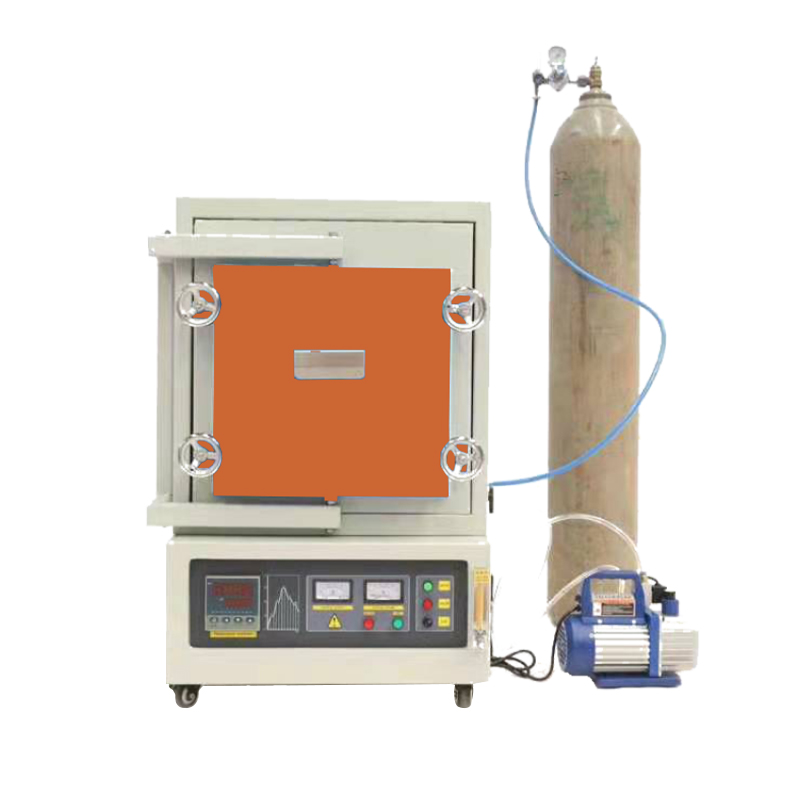
The chamber interior is sized and shaped to accommodate batch processing of samples in crucibles, trays, or direct placement on the hearth. The enclosed box geometry, combined with multi-point or multi-face heating arrangements, produces the temperature uniformity that makes the box furnace a reliable platform for processes where consistent thermal exposure across the entire sample load is a prerequisite for reproducible results. Our box-type resistance furnace series covers operating temperatures from 1000℃ to 1300℃, with chamber dimensions and heating configurations matched to laboratory and light industrial processing needs.
Core Applications: From Ashing to Heat Treatment
The laboratory box furnace earns its reputation as a general-purpose high-temperature workstation from the breadth of processes it supports reliably across materials science, analytical chemistry, metallurgy, and new materials research. Four application categories account for the majority of laboratory box furnace deployments.
Analytical sample pretreatment is among the most common uses in quality control and materials analysis laboratories. Ashing — the controlled combustion of organic material from a sample at temperatures typically between 500℃ and 900℃ — is a foundational step in the determination of ash content, moisture, volatile matter, and elemental composition. The box furnace's uniform heating ensures that all samples in a batch reach the target temperature simultaneously, eliminating the variability between sample positions that undermines the accuracy of quantitative analytical methods. Ash melting point analysis and ash composition testing follow the same requirement for consistent, reproducible thermal exposure.
Metal heat treatment is the primary industrial application. Annealing — heating a metal to a specific temperature and cooling it at a controlled rate — reduces internal stress, improves ductility, and restores workability after cold working or machining. Normalizing, quenching, and tempering follow similar thermal cycle principles, each targeting a specific change in the microstructure and mechanical properties of the metal. The box furnace provides the stable, precisely controlled thermal environment that these processes require, with the batch chamber geometry allowing multiple components to be treated simultaneously under identical thermal conditions.
Sintering of ceramics and powdered materials requires sustained high temperatures — typically 1000℃ to 1300℃ — to bond powder particles into a solid, dense structure without melting the bulk material. Box furnaces are routinely used for sintering advanced ceramics, technical oxides, carbide compounds, and metal powder compacts in laboratory quantities, providing the temperature stability and uniformity that determine the density, microstructure, and mechanical performance of the sintered product.
New materials synthesis and research applications span nanomaterial preparation, composite material development, and semiconductor process steps including single-crystal silicon pulling preparation and polycrystalline silicon ingot casting support processes. In each of these areas, the box furnace provides a controllable, reproducible thermal environment that is the starting point for understanding and optimizing material behavior at elevated temperatures.
Temperature Range and Control Accuracy
The operating temperature range and control accuracy of a laboratory box furnace are the two specifications that most directly determine whether the instrument is suitable for a given application. Selecting a furnace with insufficient temperature capability or inadequate control precision creates a bottleneck that no amount of sample preparation or post-processing can compensate for.
Laboratory box furnaces for general research and industrial R&D applications are available in three principal temperature ratings: 1000℃, 1200℃, and 1300℃. The correct temperature class is determined by the highest process temperature required across all anticipated applications, with a working margin below the furnace's rated maximum to preserve heating element life and maintain control stability during extended runs.
| Temperature Class | Typical Applications | Common Heating Element |
|---|---|---|
| Up to 1000℃ | Ashing, moisture/volatile determination, low-temperature annealing, general sample pretreatment | Resistance alloy wire (Kanthal, NiCr) |
| Up to 1200℃ | Metal annealing and normalizing, ceramic pre-sintering, composite material synthesis, standard sintering | Silicon carbide (SiC) elements |
| Up to 1300℃ | High-performance ceramic sintering, advanced alloy heat treatment, high-temperature material characterization | SiC or MoSi2 elements |
Temperature control is implemented through intelligent PID fuzzy control technology, which adapts the control algorithm in real time based on the difference between the setpoint and the measured temperature. Compared to conventional fixed-parameter PID systems, PID fuzzy control delivers smaller temperature overshoot during ramp-up, faster stabilization at the target setpoint, and better maintenance of temperature accuracy during extended holds. For processes where thermal history affects the outcome — sintering density, grain size, phase transformation completeness — the ability to follow a precise temperature-time profile without overshoot or instability is a direct quality determinant.
An independent mechanical over-temperature protection system operates separately from the main control circuit. If the primary controller fails and the furnace temperature continues to rise beyond the safe limit, the mechanical protector automatically cuts power to the heating elements — a backup safety function that the main control system cannot provide for itself in the event of its own failure.
Insulation Structure and Energy Efficiency
The thermal performance of a laboratory box furnace is determined not only by its heating elements but equally by the quality and design of its insulation system. An underpowered insulation structure forces the heating system to work harder to maintain the target temperature, increasing energy consumption, extending ramp times, and raising the outer shell temperature to levels that create workplace safety concerns.
High-performance laboratory box furnaces use a multi-layer composite insulation architecture that combines materials with complementary thermal properties. The inner layer, in direct contact with the heated chamber atmosphere, consists of alumina fiber board — a rigid, high-temperature-rated refractory material that provides structural integrity and resists the thermal cycling stresses of repeated heating and cooling. Behind the alumina fiber layer, a ceramic fiber blanket fills the remaining insulation space, providing high thermal resistance with low mass. The low thermal mass of ceramic fiber is the key to rapid heating performance: because the insulation absorbs relatively little energy during heat-up, a larger proportion of the input power goes directly into raising the chamber temperature, reducing ramp times and improving energy conversion efficiency.
The combined effect of the multi-layer insulation design is a significant reduction in heat loss through the furnace walls, which translates directly into lower steady-state power consumption during temperature holds. For laboratories running multiple thermal cycles per day or maintaining elevated temperatures for extended periods, the energy efficiency advantage of a well-insulated furnace accumulates into meaningful reductions in operating cost over the equipment's service life. The outer shell is designed to remain within a safe surface temperature range during full-temperature operation, eliminating the burn risk associated with older furnace designs that used thinner or lower-grade insulation materials.
Safety Design Features
Laboratory box furnaces operate at temperatures that present serious hazards if safety systems fail or are bypassed. A credible furnace design addresses these hazards through multiple independent mechanisms rather than relying on a single point of protection — a philosophy that mirrors the multi-layer safety architecture applied to other categories of high-risk laboratory equipment.
Automatic power cutoff on door opening is the primary active safety feature. When the furnace door is opened during operation — whether intentionally for sample insertion or removal, or accidentally — the heating power is cut instantly. This eliminates the exposure of operating personnel to the radiant heat from active heating elements and prevents uncontrolled temperature disturbances in the chamber. The cutoff is implemented at the hardware level, not through software, ensuring that it functions regardless of the state of the control system.
Independent mechanical over-temperature protection provides a secondary layer of defense against runaway heating conditions. The mechanical protector is a physically separate device from the main temperature controller, with its own sensing and actuation mechanism. When the furnace temperature exceeds the preset protection threshold — a value set above the maximum intended operating temperature but below the damage threshold for the furnace materials — the protector cuts the heating circuit independently of any instruction from the main controller. This means that a software fault, sensor failure, or control board malfunction in the primary system cannot defeat the over-temperature protection.
Together, these two mechanisms address the two primary hazard scenarios in box furnace operation: personnel exposure during sample handling, and equipment damage or fire risk from uncontrolled overheating. Both are implemented as hardware-level functions to ensure reliability independent of the software and electronic control systems that govern normal operation.
How to Select the Right Laboratory Box Furnace
Selecting a laboratory box furnace for a specific research or industrial application involves matching the instrument's key specifications to the process requirements across several independent parameters. Optimizing for temperature capability alone — choosing the highest available temperature class regardless of actual need — leads to over-specified equipment with higher purchase cost, longer ramp times, and reduced control precision in the lower temperature ranges most commonly used.
The following parameters should be defined before specifying a laboratory box furnace:
- Maximum required process temperature — Identify the highest temperature needed across all planned applications, then select a furnace class with a rated maximum at least 50–100℃ above this value. Operating consistently at or near the rated maximum shortens heating element life and reduces temperature stability.
- Chamber volume and sample loading requirements — The chamber dimensions must accommodate the largest sample configuration anticipated, including crucibles, trays, and any fixtures. Oversized chambers reduce temperature uniformity and increase ramp times for small sample loads; undersized chambers limit throughput and may create temperature gradients across the sample batch.
- Temperature uniformity specification — For processes where sample position within the chamber affects outcomes, verify the manufacturer's temperature uniformity data across the working zone. Multi-face or five-side heating configurations deliver better uniformity than single-face designs for large or densely loaded chambers.
- Heating and cooling rate requirements — Processes requiring rapid temperature changes — quenching preparation, thermal shock testing, fast-cycle sintering — need furnaces with higher installed power density and, for cooling, optional forced cooling configurations. Confirm that the furnace's ramp rate capability matches the process thermal profile.
- Atmosphere requirements — Standard box furnaces operate in air. If the process requires an inert or reducing atmosphere, confirm that the furnace is available with gas inlet and outlet fittings, appropriate door and chamber sealing, and compatible interior materials. Applications requiring strict atmosphere control or vacuum conditions may be better served by a vacuum tube furnace rather than a standard box furnace configuration.
- Customization and certification requirements — For export projects, regulated industries, or institutional procurement programs with specific equipment standards, verify that the manufacturer can provide ISO 9001 quality system documentation, material certifications, calibration records, and custom chamber or control specifications as required.
Dengsheng Instrument's engineering team provides application-specific selection support for laboratory box furnaces and the full range of high-temperature processing equipment. To discuss your process requirements or request a technical specification sheet and quotation, contact us directly.
إرسال رسالة

- اتصال
-
- No. 119, Qingliang Avenue, Yaozhuang Town, Zhejiang, China.
- [email protected] ( Email )
- +86-13671719019 ( Phone )
- +86-021-57440136 ( Tel )
- منتج
- رابط سريع
- الصفحة الرئيسية
- المنتجات
- معلومات عنا
- الإنتاج
- المشروع
- الأخبار
- اتصل بنا
- موبايل

 العودة إلى الأعلى
